
By Ere-ebi Agedah Imisi
Your nightly routine can (and should) include brushing your teeth, washing your face, and getting into comfy PJs, but new information shows that most people skip a very important step before climbing into bed.
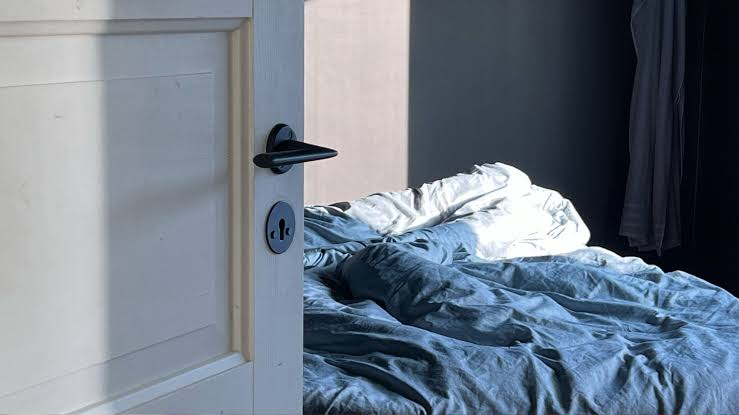
Nearly 60% of people sleep with their bedroom door open, according to a recent survey conducted by the safety science organization UL. That simple choice could mean life or death in the event of a house fire, as a closed door can slow the spread of flames, reduce toxic smoke, improve oxygen levels, and decrease temperatures.
With the increased use of synthetics in furniture and home construction, closing the door could make all the difference when it comes to getting out safely. The average time to escape a home fire has gone from 17 minutes to just three minutes or less in the past few decades due to flammable materials and contemporary open floor plans.
It’s not only about a lack of awareness. Most people who sleep with the door open do so because they mistakenly believe it’s safer but it’s the exact opposite of what firefighters recommend.
Have working smoke alarms in every level of your home, inside and outside your sleeping rooms.
Have an escape plan. If you have a fire, know how you’re going to get out safely.
Keeping your bedroom door closed at night significantly increases your chances of surviving a household fire. Over half of adults sleep with their door open, under the mistaken belief that it keeps them safer in case of a fire.
While fire safety is the primary reason you should sleep with your bedroom door closed, it’s not the only reason to keep your door shut during shut-eye.
Temperature difference can mean the difference between life and death. For a shocking visual demonstration of what happens when you don’t close your bedroom door, watch the “Close Before You Doze.
Enhances security and privacy
Keeping the door closed creates an additional barrier against unwanted intrusions, whether from an intruder or even pets wandering into the room. It also provides greater privacy and reduces disturbances while you sleep.
Reduces noise and improves sleep quality
A closed door helps block sounds from other parts of the house, such as conversations, televisions, or household activities. A quieter sleeping environment can promote deeper, more restful sleep and reduce the chances of waking up during the night.
Meanwhile, here’s why keeping your bedroom door closed is so vital to your safety in the event of a household fire:
Fire needs oxygen to keep burning. By keeping your doors closed, you cut off the oxygen supply and help contain the fire. This feels counterintuitive to many of us, as we think opening a door will help let the smoke out. But in fact, it’s safer to close all the doors in your home (and if you can do so safely, close them as you’re leaving during the fire).
This keeps the fire and smoke contained. As a result, you and the other residents will have more time to escape safely, and firefighters will have more time to respond and save you and your property.
People think, ‘Well, there’s smoke in my house. I want to let the smoke out.’ Yes, you’re letting the smoke out, but you’re letting the air in, and that’s where the problem occurs. With the doors and windows closed, the fire won’t have oxygen to burn and it’s going to stay right there, giving other people in the house more time to get out and also helping protect your property.”
Time is of the essence when it comes to surviving a household fire. Unfortunately, thanks to the way modern homes are constructed, with open floor plans and different types of furnishings, fires can spread much more quickly now. In 1980, a person had roughly 17 minutes to escape a burning home. Today, they have less than 3 minutes.
Start making it a habit to close not only your own bedroom door at night, but your kids’ rooms as well. It’s also a good time to test smoke and carbon monoxide detectors, check your home for potential fire hazards, and review your family’s escape plan, or create one if you haven’t already. Those small precautions could make all the difference.

