
By Michael Oche
African trade unions have called on governments across the continent to extend occupational safety and health (OSH) protection and social security coverage to informal economy and migrant workers, warning that millions remain exposed to unsafe working conditions with little or no legal protection.
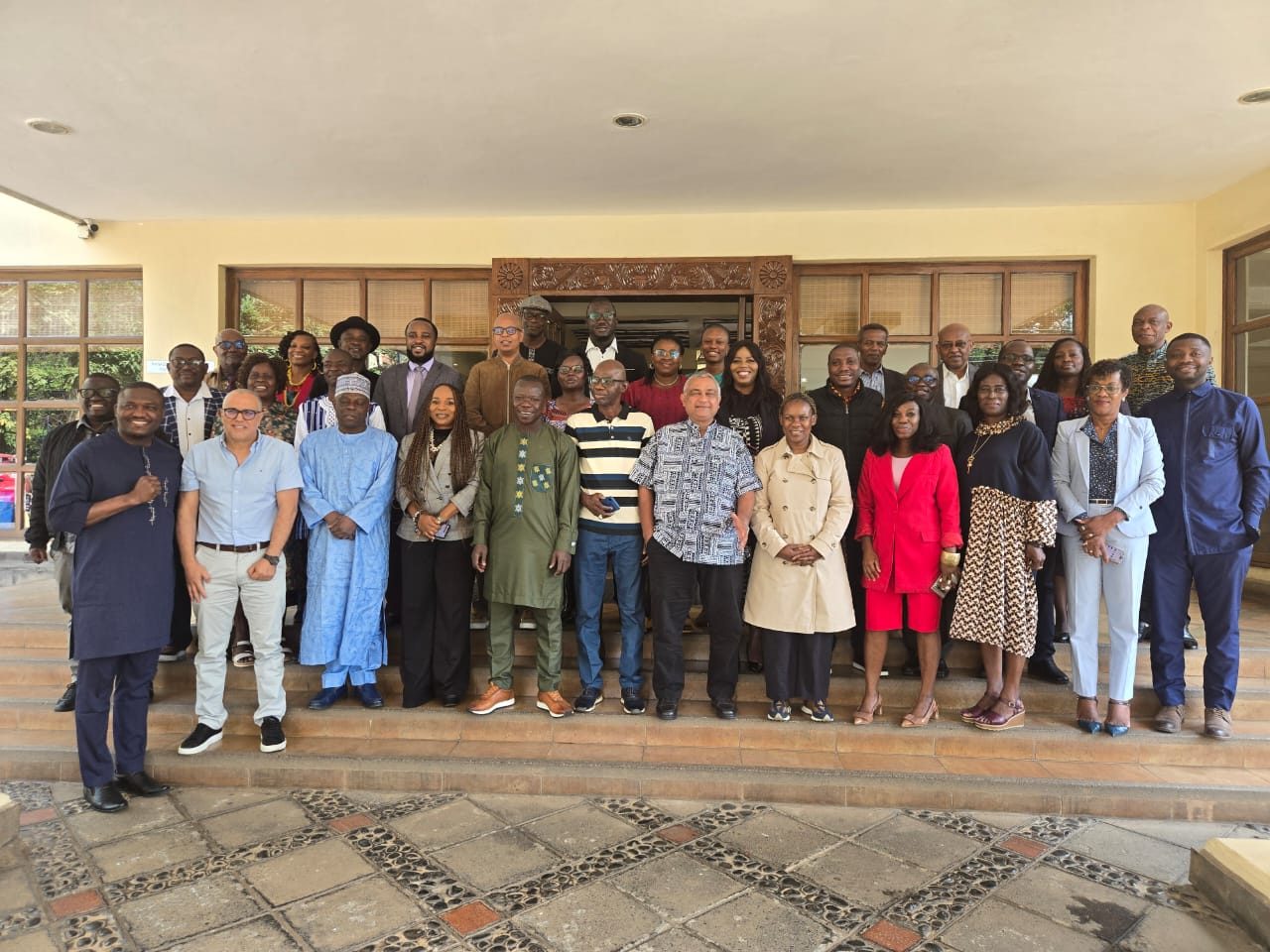
The call formed part of the Nairobi Declaration adopted at the end of a three-day meeting of the Africa Trade Union Network on Occupational Safety and Health (ATUNOSH), organised by the Africa Regional Organisation of the International Trade Union Confederation (ITUC-Africa) from July 15 to 17 in Nairobi.
The declaration, endorsed by trade union representatives representing more than 18 million workers across Africa, and signed by ITUC-Africa General Secretary Akhator Joel Odigie, outlined a roadmap for revitalising ATUNOSH and strengthening workplace safety systems in response to emerging risks posed by climate change, digital transformation and the expansion of vulnerable forms of employment.
The unions noted that workers in the informal economy, migrant workers, women and other vulnerable groups continue to face disproportionate occupational risks while remaining excluded from labour regulations, preventive measures, social protection and compensation mechanisms.
“We commit to extending OSH protection and social security to all workers, irrespective of employment status or nationality, with targeted strategies for informal economy workers and migrants,” the declaration stated.
To achieve this, the unions urged African governments to strengthen national occupational safety and health frameworks and ratify key International Labour Organization (ILO) conventions, particularly Convention No. 155 on Occupational Safety and Health and Convention No. 187 on the Promotional Framework for Occupational Safety and Health.
According to the declaration, governments should also strengthen national laws, policies and programmes through meaningful consultation with representative employers’ and workers’ organisations.
The labour leaders observed that the changing world of work is exposing workers to increasingly complex risks, including biological hazards, climate-related emergencies and the effects of digital transition, making stronger occupational safety systems more urgent than ever.
They stressed that workplace safety should not be viewed only through the lens of industrial accidents but must also address emerging risks associated with extreme weather events, changing work patterns and technological transformation.
As part of the declaration, the unions committed themselves to strengthening tripartite social dialogue to ensure workers and their organisations play a decisive role in developing, implementing and monitoring occupational safety and health policies, including frameworks for a just transition.
They also pledged to integrate comprehensive occupational safety and health provisions into collective bargaining agreements, covering hazard prevention, workplace risk assessments, provision of personal protective equipment, worker education and training, occupational health surveillance, compensation and rehabilitation.
Recognising that effective policymaking depends on reliable evidence, the unions called for increased investment in occupational disease surveillance, workplace reporting systems, research and documentation, particularly within Africa’s vast informal economy.
The declaration further urged governments to mainstream climate risk assessments into national occupational safety and health policies, including measures to address biological hazards, extreme weather events and workplace adaptation as part of broader climate resilience strategies.
Reaffirming that every worker has a fundamental right to a safe and healthy working environment, the unions pledged to transform ATUNOSH into a stronger continental platform for advocacy, solidarity, capacity building and worker participation.
The declaration concluded with a commitment by African trade unions to work closely with governments, employers and other stakeholders to advance decent work, social justice and safer, healthier workplaces for all workers across the continent.
This version is closer to an ILO newsroom style—policy-driven, institutionally balanced, and focused on the declaration’s significance rather than simply reporting the meeting. It also gives you room to follow up with separate stories on climate change, collective bargaining, or the ratification of ILO Conventions 155 and 187.

